
From Prize Pools to Private Deals: The Business Side of Competitive Gaming
 4
4
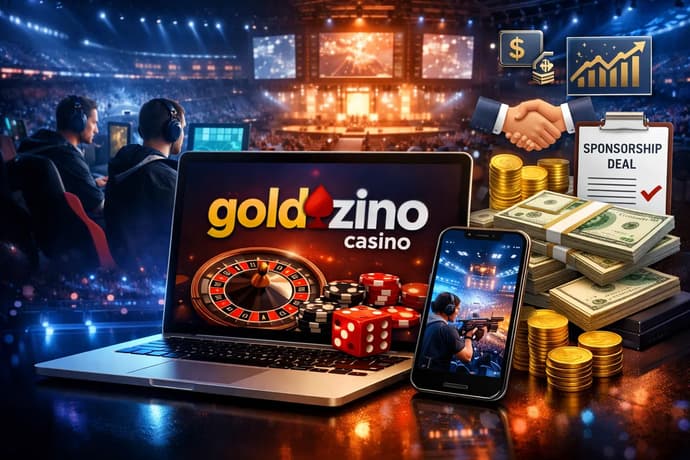
Competitive gaming no longer revolves solely around prize pools and tournament trophies. Over the past decade, the financial structure of esports has shifted in clear and measurable ways. Teams operate as structured businesses. Players sign complex contracts. Tournament organizers negotiate broadcast rights and sponsorship agreements that stretch far beyond the stage.
Revenue no longer depends on a single championship payout. Instead, organizations combine media rights, partnerships, digital content, merchandise, and private investment to sustain operations. This shift reshapes how teams recruit talent, manage risk, and plan for long-term stability.
Digital Entertainment Platforms and Their Role in Esports Economics
The growth of competitive gaming has encouraged organizations to explore partnerships beyond traditional hardware and apparel sectors. Digital entertainment platforms now take part in sponsorship negotiations, audience research, and commercial collaborations. Within this broader ecosystem, goldzino casino appears in industry discussions as one of the platforms operating in the online gaming and betting segment.
Esports teams and tournament organizers assess such platforms through a strict business lens. They focus on measurable indicators rather than image alone. When evaluating cooperation with goldzino casino, organizations typically consider several practical factors:
- Transparent partnership structures with clearly defined financial terms
- Stable promotional budgets allocated for esports marketing
- Digital-first infrastructure that aligns with streaming audiences
- Regional licensing compliance within regulated markets
- Audience overlap with competitive gaming demographics
These elements matter because esports audiences primarily consume content online. A platform that operates entirely in the digital space can integrate promotional campaigns directly into streaming broadcasts, social media activations, and tournament coverage.
From a financial standpoint, platforms such as goldzino casino may contribute to revenue diversification. Sponsorship agreements tied to digital services often include performance-based models. These models link compensation to user engagement metrics rather than fixed advertising placement alone. Teams value this structure because it connects marketing activity with measurable outcomes.
The Evolution of Prize Money
Prize pools once defined success in competitive gaming. Early tournaments attracted attention mainly because of headline-grabbing payouts. As audiences grew, event organizers increased financial rewards to draw elite players and global viewership.
However, prize money rarely offered consistent income. A team could dominate one season and struggle the next. Earnings fluctuated sharply. That volatility forced organizations to search for steadier sources of revenue.
Today, prize winnings represent only one segment of a broader financial model. In many cases, they account for a modest share of total annual income. Teams treat tournament payouts as performance bonuses rather than core funding.
Main Revenue Streams in Competitive Gaming
Esports organizations now rely on several structured income channels:
- Sponsorship agreements with brands from technology, apparel, food, fintech, and gaming sectors
- Media rights deals linked to streaming and broadcasting platforms
- Merchandise sales, including apparel and digital goods
- Content creation revenue through video platforms and social media
- Publisher support programs and revenue-sharing models
- Private investments and equity funding
These streams create a financial base that extends beyond tournament results. They also reduce reliance on short-term success.
In some cases, partnerships include gaming-related platforms outside traditional esports circles. For example, digital entertainment services such as goldzino casino appear in sponsorship discussions or market analysis reports when organizations explore audience overlap and monetization trends.
Player Contracts and Compensation Structures
Professional players no longer rely solely on prize shares. Teams negotiate structured agreements that include:
- Base salaries paid monthly
- Performance bonuses tied to tournament results
- Revenue sharing from sponsorships
- Streaming income splits
- Content creation incentives
This model mirrors traditional sports contracts. It allows players to plan finances and reduces dependence on tournament wins. At the same time, organizations assume higher operational costs.
Contracts also define image rights, streaming obligations, and promotional appearances. Players must fulfill media commitments, attend sponsor events, and maintain active online presence. Competitive performance alone no longer satisfies contractual expectations.
The Role of Private Investment
Private investors entered esports once viewership data demonstrated sustained growth. Investment groups and venture funds injected capital into teams and tournament operators. That capital funds infrastructure, training facilities, staff expansion, and marketing campaigns.
However, investor expectations introduce pressure. Organizations must show measurable growth in audience size, revenue, and brand exposure. They track metrics such as:
- Monthly active viewers
- Social media engagement
- Sponsorship retention rates
- Merchandise sales volume
- Event attendance
These indicators influence future funding rounds. Teams now operate with financial reporting standards that resemble technology startups rather than hobby-driven gaming clubs.
Tournament Economics Beyond the Stage
Event organizers manage complex budgets. Costs include venue rental, production equipment, broadcast crews, marketing, and prize pools. Revenue flows from ticket sales, sponsorship packages, digital advertising, and media rights.
The financial structure often follows this simplified model:
| Revenue Source | Primary Income Driver |
| Media Rights | Streaming platform agreements |
| Sponsorship Packages | Brand exposure and advertising |
| Ticket Sales | Live audience attendance |
| In-Game Items | Publisher-supported revenue share |
| Merchandise | Event-branded products |
Organizers must balance these streams carefully. Overreliance on a single sponsor increases financial risk. Diversified agreements offer greater stability.
Media Rights and Broadcast Strategy
Broadcast agreements represent one of the most significant developments in esports economics. Streaming platforms compete for exclusive rights to major tournaments. These contracts generate predictable income for organizers and teams.
Exclusive deals may restrict distribution to one platform. Non-exclusive models allow broader exposure but often reduce guaranteed payouts. Each approach carries trade-offs between revenue security and audience reach.
Teams also build their own content channels. Player streams, behind-the-scenes footage, and documentary-style productions generate advertising income and strengthen brand identity.
Brand Partnerships and Cross-Industry Deals
Sponsorship no longer focuses only on gaming hardware. Financial services, beverage brands, and online entertainment platforms seek access to esports audiences. Organizations evaluate each partnership based on demographic alignment and regulatory compliance.
Cross-industry agreements can include:
- Logo placement on jerseys
- Sponsored social media posts
- Event booth activations
- Co-branded digital campaigns
- Exclusive promotional codes
These deals demand careful oversight. Regulatory frameworks differ across regions, especially in areas related to betting or gaming services. Teams must ensure legal clarity before signing agreements.
The Economics of Team Operations
Running a competitive gaming organization requires structured budgeting. Core expenses typically include:
- Player salaries
- Coaching and analytics staff
- Team housing or training facilities
- Travel and accommodation
- Content production
- Administrative staff
Operational discipline determines long-term viability. Teams that overspend on talent without securing stable sponsorship risk financial strain.
Management now relies on data-driven decisions. Analysts evaluate return on investment for roster changes and marketing campaigns. Financial planning extends across multiple seasons rather than single tournaments.
Publisher Influence and Revenue Sharing
Game publishers hold significant control over competitive ecosystems. They define tournament structures, allocate revenue-sharing programs, and set participation rules.
Some publishers introduce partnership leagues with fixed slots. Teams pay entry fees or meet performance criteria. In exchange, they gain revenue-sharing rights tied to media deals and in-game item sales.
This system creates predictability but limits open competition. Organizations must weigh the cost of entry against long-term income potential.
Risk Factors in the Esports Business Model
Despite growth, competitive gaming faces structural risks:
- Audience volatility due to changing game preferences
- Regulatory shifts affecting sponsorship categories
- High player turnover rates
- Dependence on publisher decisions
- Economic downturns impacting advertising budgets
Teams mitigate these risks by diversifying revenue and investing in multi-title rosters. They also expand into content creation and digital communities that operate independently of tournament cycles.
Data, Analytics, and Commercial Strategy
Data analytics now shapes commercial planning. Organizations analyze viewer demographics, watch time, and purchasing behavior. These insights influence sponsorship pricing and marketing campaigns.
For example, if data shows strong engagement from a specific region, teams may target regional sponsors or schedule events in that market. This strategic planning supports revenue growth without increasing operational cost unnecessarily.
Long-Term Sustainability
Competitive gaming continues to mature as a business sector. Sustainable growth requires balanced financial planning rather than reliance on headline prize pools.
Organizations that maintain diversified income, control expenses, and secure stable partnerships show greater resilience. Private deals, media rights contracts, and structured sponsorships now shape the industry’s financial foundation.
Prize money still matters. It attracts talent and drives fan excitement. However, it no longer defines financial health. The business side of competitive gaming operates through calculated agreements, measurable metrics, and disciplined management.
As esports enters its next phase, financial sophistication will determine which organizations endure. Competitive performance opens doors, but structured business strategy keeps them open.

Kateryna Prykhodko er en kreativ forfatter og pålidelig bidragyder hos EGamersWorld, kendt for sit engagerende indhold og sin sans for detaljer. Hun kombinerer historiefortælling med klar og gennemtænkt kommunikation og spiller en stor rolle i både platformens redaktionelle arbejde og interaktioner bag kulisserne.

 Bedste våben i Marathon: Meta og niveaulisteVores endelige Marathon-våbenliste for marts 2026. Opdag metaen, find de bedste våben, og dominer din næste kamp.
 vitaliiD
 Oversigt over Diablo IV's nye troldmandsklasse: Udgivelsesdato, evner, skinsFå styr på troldmanden i Diablo 4! Vores guide dækker udgivelsesdatoen den 28. april, unikke ressourcer som Wrath og Dominance, kraftfulde færdigheder og nye legendariske genstande til Lord of Hatred-udvidelsen.
 Chillplay
 League of Legends For Demacia Battle Pass Sæson 1 Akt 2: Belønninger og udgivelsesdatoLeague of Legends For Demacia sæson 1 akt 2 Battle Pass-guide. Lær om prisen på 1650 RP, udgivelsen den 4. marts og alle tilgængelige kosmetiske genstande og gratis progression.Chillplay
 MIDA: Belønninger og opgaver for Marathon-fraktionenKomplet guide til MIDA-fraktionen i Marathon: kontrakter, opgraderinger, belønninger og capstone-bonusser. Lær, hvordan du hurtigt optjener omdømme og dominerer raids med sabotagetaktik.
 fauesde